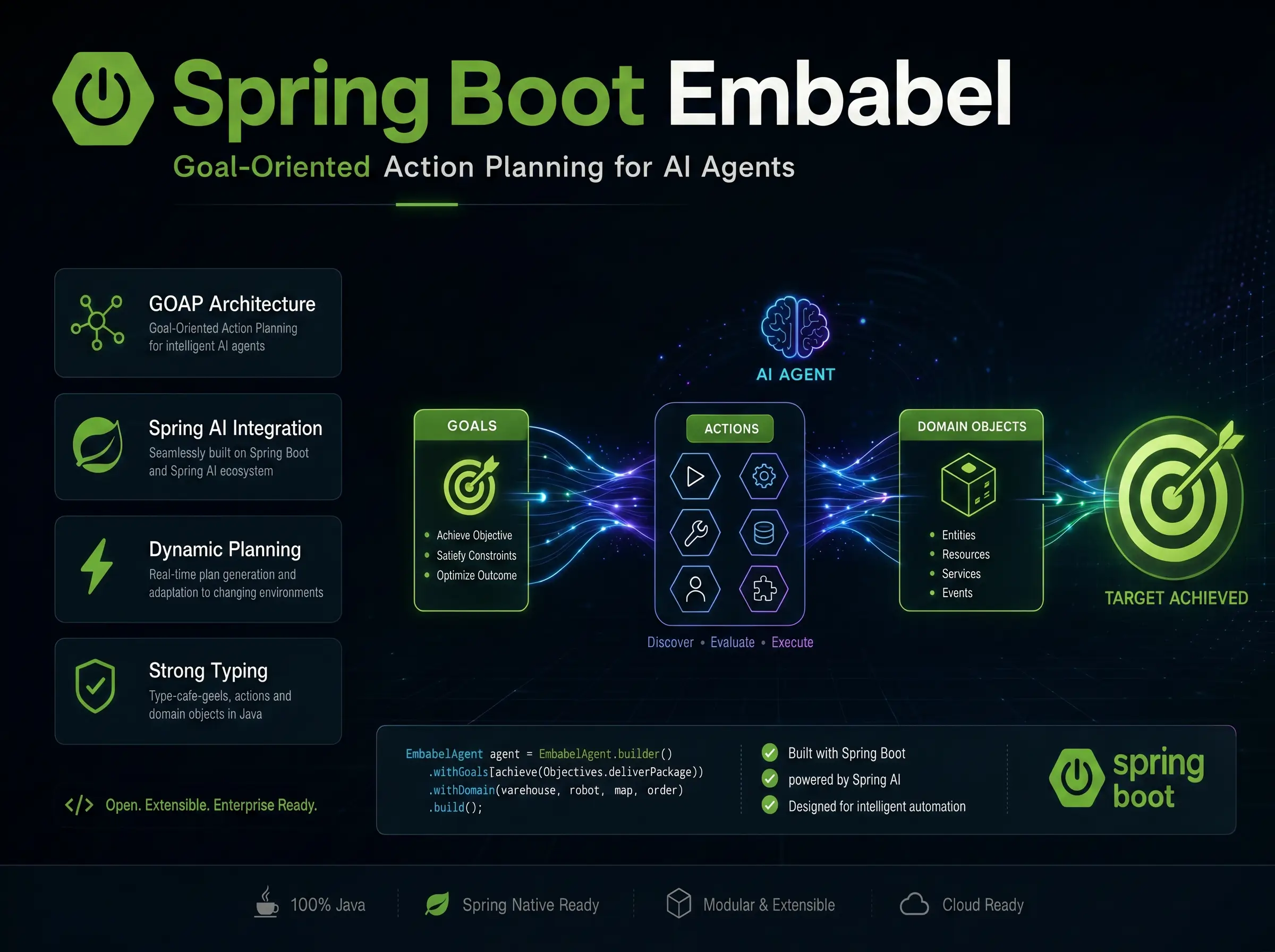
A complete walkthrough of building a goal-driven AI blog writing assistant using Spring Boot and Embabel. Covers Maven setup, domain model design, @Agent/@Action authoring, and REST Controller integration.
This article provides a detailed introduction to the storage structure of Java objects in memory, discusses how to reasonably estimate the approximate memory space required for project operation through tools and theoretical knowledge, and deepens the understanding of the Java object memory structure.
PropertySource is an interface in the Spring Framework that provides a source for properties (configurations). It allows loading and accessing property values within an application, which are typically used to configure the application's behavior.
Spring events are a mechanism in the Spring framework for implementing a publish-subscribe model event notification mechanism in applications. We can implement simple business decoupling based on Spring events. This article will introduce the usage and relevant examples of Spring Event based on SpringFramework5.3.32 version.
In Java project development, managing resource files such as XML configuration files is a common requirement. Especially when these resource files need to be in the same path as the compiled class files, correctly configuring the project becomes crucial. This article explores how to package XML files into the Java classpath in Maven projects and IntelliJ IDEA.
In the Spring Framework, the @Bean annotation is a powerful tool used for defining and configuring Beans. However, effectively using the @Bean annotation requires understanding its advanced properties and limitations. This article aims to comprehensively analyze the advanced properties of the @Bean annotation and discuss its key limitations to ensure the robustness and effectiveness of Spring applications.
In the Spring framework, BeanDefinition is a core interface used to define the configuration information of a bean. It includes various property settings, constructor arguments, other special configurations, and the actual implementation class of the bean.
ThreadLocal is used to maintain thread-local variables in a multi-threaded environment. It provides a simple mechanism that allows each thread to independently access and modify its own local copy of a variable without interfering with the copies of other threads.
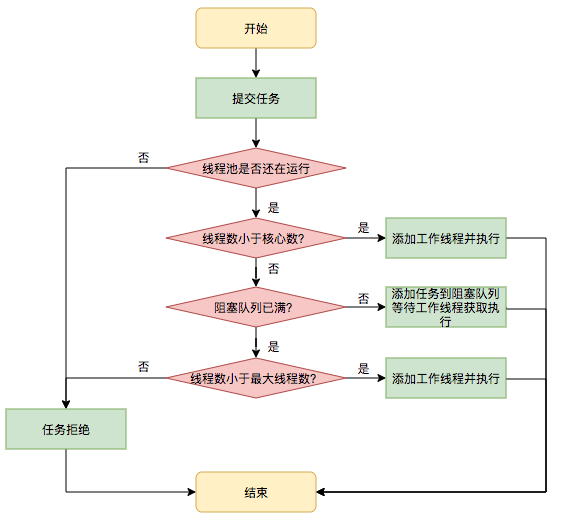
A Java thread pool is a mechanism for managing and reusing threads. It consists of a set of pre-created threads that can be repeatedly used to execute tasks, eliminating the need to create and destroy threads for each task.